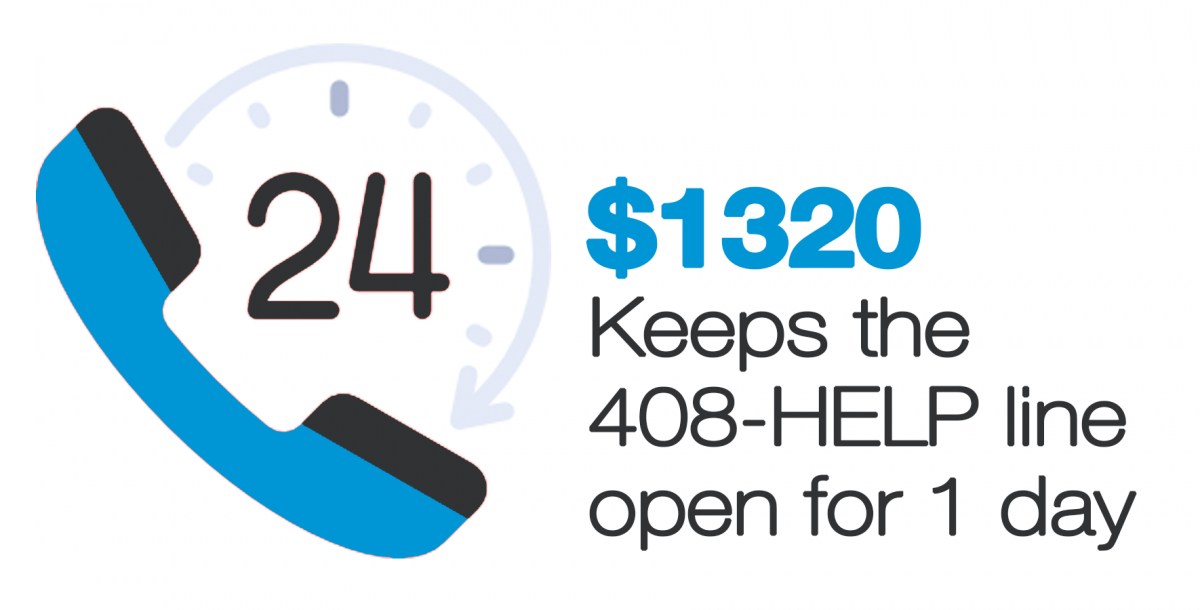
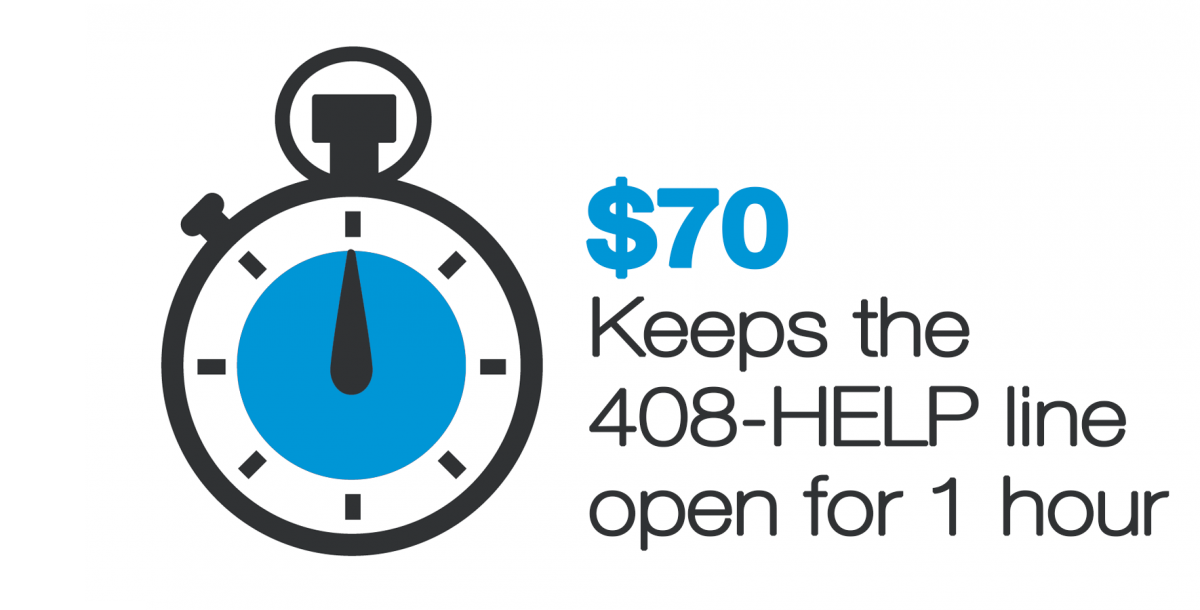
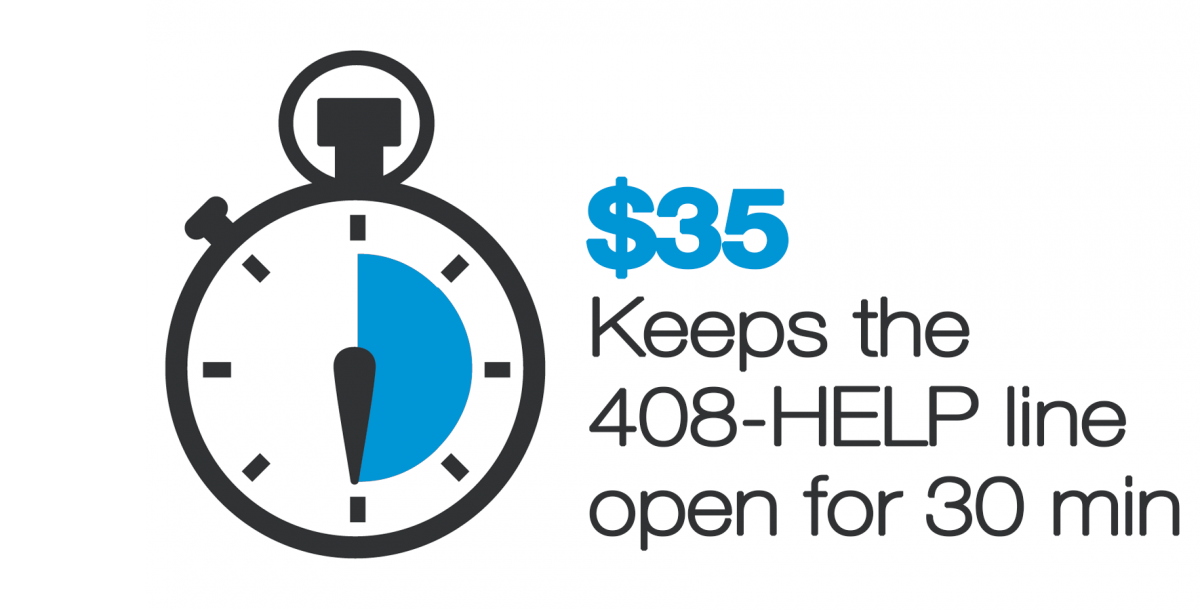
For 50 years, Distress Centres has provided 24-hour telephone support, 7 days a week, 365 days a year. We are the point of first access for community individuals in crisis requiring emotional first aid.
Our organization has become the oldest and largest front-line volunteer delivered crisis, emotional support and suicide prevention service agency in Canada. Distress Centres offers an around-the-clock response to those experiencing emotional distress or are in need of crisis intervention and/or suicide prevention. We also provide face-to-face support and counselling to people dealing with the effects of suicide and homicide.
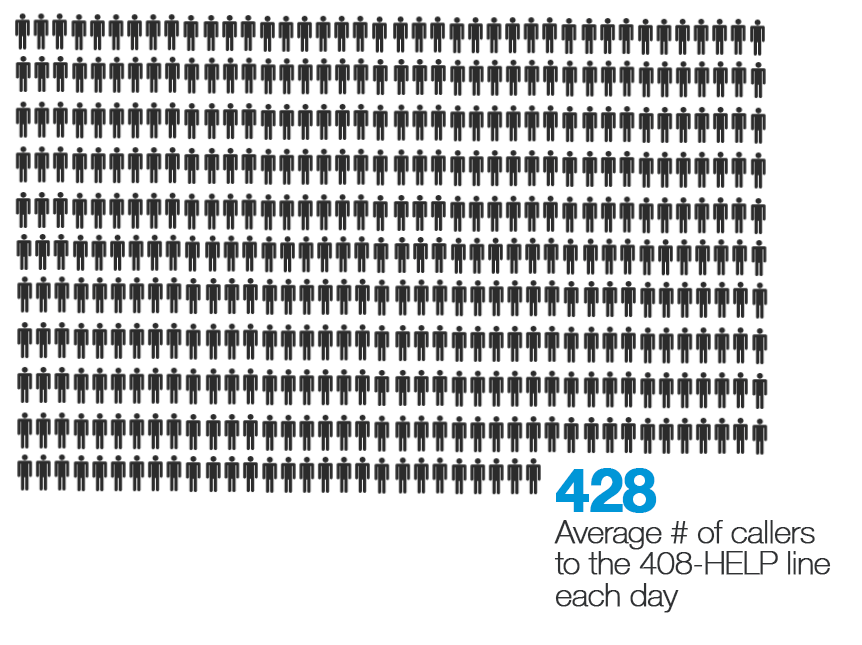
Distress Centres continues to expand, and our call volume increases each year. As the home to the only 24-Hour Distress Line in Toronto, Distress Centres now answers more than 82,000+ calls annually to our 408-HELP line. Our team consists of 550+ highly trained volunteers at three locations (Downtown, North York and Scarborough).
Charity Intelligence Canada evaluated our organization as a top-rated charity and has given us an A+ in donor accountability. We’ve received a variety of prestigious awards inclusive of but not limited to the Attorney General’s Victim Services Award of Distinction, the Arnold Devlin Community Service Award, and the Corporate leadership Award for Safety & Security by Canadian Urban Transit Association. And our volunteers have also been awarded at the provincial and national level for their contributions.
For immediate support, please call our 408-HELP line now. If this is an emergency, please go to the nearest hospital or contact 911.
Our programs
408-help line
Our 408-HELP line has 550+ highly trained Distress Centres’ volunteers that provide telephone support 24 hours a day, 7 days a week, 365 days a year, with the support of professional staff.
Many of our callers are individuals experiencing emotional distress, marginalization, social isolation and those who may require crisis intervention and suicide/family violence intervention services.
Our 408-HELP line has 550+ highly trained Distress Centres’ volunteers that provide telephone support 24 hours a day, 7 days a week, 365 days a year, with the support of professional staff.
Many of our callers are individuals experiencing emotional distress, marginalization, social isolation and those who may require crisis intervention and suicide/family violence intervention services.
The ONTX service allows you to take your time to process what you want to say, and communicate with privacy in a way that is comfortable for you or where others cannot overhear you.
Live Chat and Text is a safe, confidential, one-on-one conversation with a highly-trained empathic responder. If you’re not comfortable using the phone or would prefer to communicate with someone online or by text please access of ONTX service.
Our responders are available to chat and text regarding all issues related to distress, crisis, and suicidal thoughts, prevention, and intervention. We are here to help!
Participants in the Caller Reassurance Program for Seniors receive regularly scheduled and personalized call-outs from our trained crisis responders.
Each regular call is tailored to meet the participant’s needs, we also provided a case-management approach and included discussions that ranged from medical appointment/medication reminders to developing a long-term coping plan.
Our trained lay responders provide case-managed support to enable senior participants to continue living independently in their homes.
Each year we receive approximately 120,000 calls to our 408-HELP line from people in Canada who are at risk and their most vulnerable. 60% of these calls are taken after-hours by our volunteers when other health and social services programs are unavailable. The Generous support of people like you has allowed us to listen, reassure and remind people in moments of doubt that their life is valuable, and give them tools to make the decision to stay.
We’ve also been able to connect them to hope by offering emotional support, crisis intervention, suicide prevention and linkage to emergency help when necessary. We’ve also been able to bring together survivors of suicide, and suicide loss to provide safe spaces where they can begin the pathway forward.
Please consider support of Distress Centres with either a one-time or monthly donation to help us continue to connect each vulnerable person to hope. Donations can be made online at torontodistresscentre.com/donate or by calling Erin at 416-595-7451. Every bit helps.
Get involved
Fundraising is an exciting way to use your skills, talents and expertise. It can get you out of your comfort zone and connect you to those around you while raising money for those who are navigating their most vulnerable moments with Distress Centres.
We’re happy to help you develop your fundraising event or activity by providing a fundraising toolkit and resources.
Ever wanted to give back to your community in a meaningful and enriching way? Now is your chance!
Volunteers are a vital part of Distress Centres. Every year, volunteers contribute more than 100,000 hours to our 24-hour distress and crisis lines, providing immediate access to help and support.
We have a variety of volunteer opportunities available!